True/False
Indicate whether the
statement is true or false.
|
|
|
1.
|
Only one NIC can be installed on a computer.
|
|
|
Image 4-5 
|
|
|
2.
|
The image in 4-5 shows the installation of NIC drivers in Windows 8.1
|
|
|
3.
|
The image in 4-5 shows the installation of NIC drivers in Mac OSX.
|
|
|
4.
|
The image in 4-5 shows the installation of NIC drivers in Linux
|
|
|
5.
|
A simple repeater can fix errors in a signal.
|
|
|
6.
|
A bridge delivers a packet directly to a specific computer.
|
|
|
7.
|
Bridges work only with the TCP/IP protocol.
|
|
|
8.
|
In fragment free switching, the first 64 bytes are checked of each frame because
if a collision happens, that’s where the damage will show up.
|
|
|
9.
|
VLANs are created on hubs
|
|
|
10.
|
VLANs are created on switches
|
|
|
11.
|
VLANs can be used to separate broadcast domains
|
|
|
12.
|
VLANs can be used to separate collision domains
|
|
|
13.
|
There are some advanced switches that can do limited routing.
|
|
|
14.
|
Cisco splits data transmission into three general layers.
|
|
|
15.
|
In CISCO, the access layer is where the users gain access to the network
|
|
|
16.
|
A router can filter out broadcast transmissions.
|
|
|
17.
|
You can use a router to connect local traffic to local traffic, or to connect
remote traffic to remote traffic, but not both at the same time.
|
|
|
18.
|
Routers have built in fault tolerance.
|
Multiple Choice
Identify the
choice that best completes the statement or answers the question.
|
|
|
19.
|
An ExpressCard card can run at up to what speeds?
a. | 250 MBps upstream, 150 MBps downstream | c. | 250 MBps in each
direction | b. | 150 MBps upstream, 150 MBps downstream | d. | 100 MBps in each
direction |
|
|
|
20.
|
What kind of BUS does an ExpressCard use?
a. | PCI | c. | PCMCIA | b. | ISA | d. | Integrated |
|
|
|
Figure 4-3 
|
|
|
21.
|
The image in 4-3 is a(n)
a. | ExpressCard | c. | Integrated Card | b. | CardBus | d. | PCI Card |
|
|
|
Figure 4-4 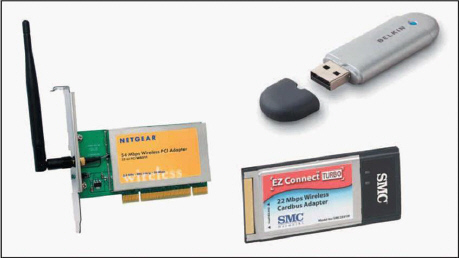
|
|
|
22.
|
The images in 4-4 are all:
a. | NICs | c. | USB cards | b. | PCMCIA cards | d. | Wireless network
cards |
|
|
|
23.
|
What type of network can a repeater be used on?
a. | Token ring | c. | BUS | b. | Cascading star | d. | Mesh |
|
|
|
24.
|
The _________ port on a hub allows you to connect to another hub.
a. | downlink | c. | uplink | b. | data | d. | ring |
|
|
|
25.
|
On a token ring network, hubs are called:
|
|
|
26.
|
Hubs can be used in what kind of network:
a. | Mesh | d. | Token Ring | b. | Star | e. | Any of these | c. | Cascading
Star |
|
|
|
Image 4-6 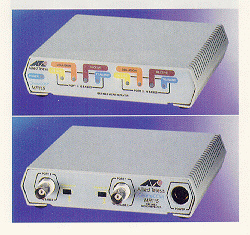
|
|
|
27.
|
The image in 4-6 is a:
a. | hub | c. | NIC | b. | repeater | d. | Bridge |
|
|
|
28.
|
The image in 4-6 works best on what kind of network?
a. | BUS | c. | Cascading star | b. | Token ring | d. | Mesh |
|
|
|
29.
|
The bridge operates at what layer of the OSI model?
a. | Application | c. | Physical | b. | Data-link | d. | Network |
|
|
|
30.
|
This piece of hardware analyzes packets and makes decisions based on the MAC
address.
a. | Repeater | c. | Router | b. | Hub | d. | Bridge |
|
|
|
31.
|
The bridge delivers messages to a network based on what address?
|
|
|
Figure 4-9 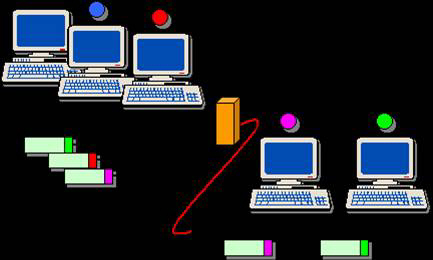
|
|
|
32.
|
The image in 4-9 shows a _____ filtering traffic from one network segment to
another.
a. | Repeater | c. | Bridge | b. | Hub | d. | Router |
|
|
|
33.
|
A _______ isolates collision domains on an Ethernet network.
a. | Hub | c. | Switch | b. | Repeater | d. | Bridge |
|
|
|
34.
|
On a switch, each port acts as a ___________.
a. | bridge | c. | logic | b. | collision | d. | switch |
|
|
|
Image 4-10 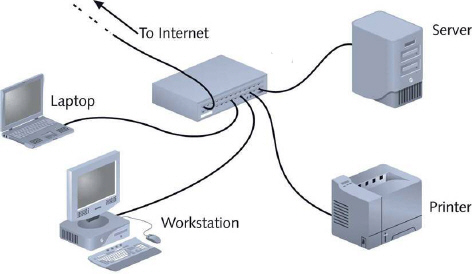
|
|
|
35.
|
The hardware in image 4-10 effectively allows each device to have its own
communication channel. Therefore, it is a ________.
a. | Bridge | c. | Router | b. | Switch | d. | Hub |
|
|
|
36.
|
This switching mode reads a frame’s header and whips it to the right port.
It’s main benefit is speed.
a. | Fragment free | c. | Store and forward | b. | Cut through | d. | Runt |
|
|
|
37.
|
This switching mode holds the entire frame in memory before forwarding
it.
a. | Fragment free | c. | Store and forward | b. | Cut through | d. | Runt |
|
|
|
38.
|
In this switching method, only the first 64-bytes of the frame are checked for
accuracy.
a. | cut through | c. | fragment free | b. | store and forward | d. | VLAN |
|
|
|
Image 4-11 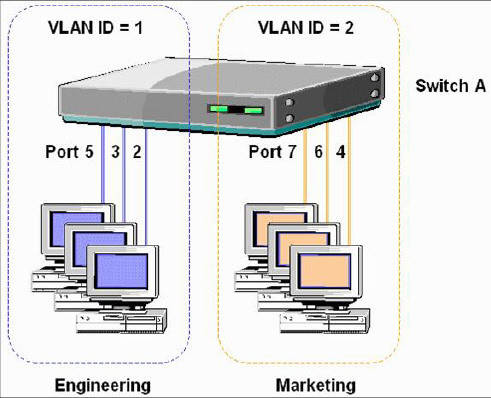
|
|
|
39.
|
Image 4-11 demonstrates the use of _____s.
a. | VLAN | c. | simple switching | b. | LAN | d. | routing |
|
|
|
40.
|
In image 4-11 data sent from the computer on port 5 to the computer on port 4
will be switched to VLAN ___.
a. | 2 | c. | both 1 and 2 | b. | 1 | d. | neither 1 or 2 |
|
|
|
41.
|
In image 4-11 a piece of data is bound for a computer in Engineering.. It will
travel on which of the following VLANs?
|
|
|
42.
|
In image 4-11 a piece of data is bound for a computer in Marketing.. It will
travel on which of the following VLANs?
|
|
|
43.
|
This Cisco defined layer is where users gain access to the network.
a. | access | c. | distribution | b. | four | d. | core |
|
|
|
44.
|
This Cisco defined layer is where data is sent to the core via switches,
bridges, and brouters..
a. | access | c. | distribution | b. | four | d. | core |
|
|
|
45.
|
LAN routers, switches, bridges, and firewalls work to transmit data from the
access layer to the core layer on this Cisco defined layer.
a. | access | c. | distribution | b. | four | d. | core |
|
|
|
46.
|
This Cisco defined layer must be the fastest and most reliable.
a. | access | c. | distribution | b. | four | d. | core |
|
|
|
47.
|
This Cisco defined layer is where data is routed between networks on a
WAN..
a. | access | c. | distribution | b. | four | d. | core |
|
|
|
48.
|
High end routers, high speed WAN switches, and PBX boxes work at this Cisco
defined layer.
a. | access | c. | distribution | b. | four | d. | core |
|
|
|
49.
|
This is a multiport connectivity device that directs data between nodes on a
network.
a. | Switch | c. | Hub | b. | Router | d. | Repeater |
|
|
|
50.
|
Use this piece of equipment to integrate LANs and WANs.
a. | Switch | c. | Brouter | b. | Router | d. | Bridge |
|
|
|
51.
|
Routers operate at the ____ layer of the OSI model.
a. | Physical | c. | Network | b. | Data-Link | d. | Session |
|
|
|
52.
|
A ____ typically has a processor, an operating system, memory, various input and
output jacks, and management console interfaces.
a. | Bridge | c. | Switch | b. | Brouter | d. | Router |
|
|
|
53.
|
A(n) ________ router directs data between nodes on autonomous LANs.
a. | interior | c. | border | b. | exterior | d. | dynamic |
|
|
|
54.
|
A(n) ________ router directs data between nodes external to the autonomous
LANs.
a. | interior | c. | border | b. | exterior | d. | dynamic |
|
|
|
55.
|
A(n) ________ router connects an autonomous LAN with a WAN.
a. | interior | c. | border | b. | exterior | d. | dynamic |
|
|
|
56.
|
This kind of routing table is programmed by a network administrator.
|
|
|
57.
|
This kind of routing table is programmed automatically.
|
|
|
58.
|
A _____ can forward nonroutable protocols and connect multiple network types
through one device.
a. | Bridge | c. | Brouter | b. | Router | d. | Switch |
|
|
|
59.
|
A _________ can do both bridging and routing.
a. | bridge | c. | brouter | b. | router | d. | hub |
|
|
|
60.
|
A _____ works at numerous layers of the OSI model, depending on what protocol
needs to be translated.
a. | bridge | c. | gateway | b. | router | d. | switch |
|
|
|
61.
|
A _____ can connect two systems using different formatting, protocols, or
architectures..
a. | bridge | c. | gateway | b. | router | d. | switch |
|
|
|
62.
|
A firewall can also be known as a _____ .
a. | bridge | c. | gateway | b. | router | d. | switch |
|
|
|
Image 4-12 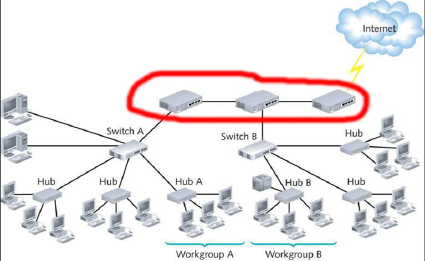
|
|
|
63.
|
In image 4-12, the devices circled would represent which CISCO layer??
a. | Access | c. | Core | b. | Distribution | d. | All of these |
|
|
|
64.
|
The _____ router is the last router you control before an untrusted network such
as the Internet.
a. | Firewall | c. | distribution | b. | border | d. | DMV |
|
Multiple Response
Identify one
or more choices that best complete the statement or answer the question.
|
|
|
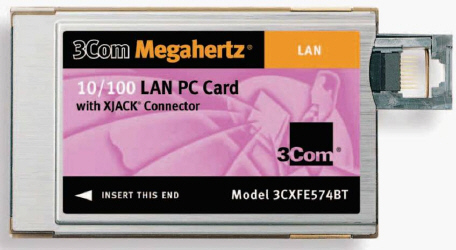 Figure 5-4
|
|
|
65.
|
The graphic in 5-4 is known as a:
|
|
|
Figure 4-1 
|
|
|
66.
|
The graphic in 4-1 is known as a:
|
|
|
Figure 4-2 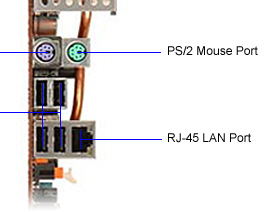
|
|
|
67.
|
The image in 4-1 is what kind of NIC?
|
|
|
68.
|
Which of the following is one of the jobs/features of a NIC?
|
|
|
69.
|
What factors determine what kind of NIC to use?
|
|
|
70.
|
What port(s) would you find on a repeater?
|
|
|
71.
|
Which of the following is a flavor of hub?
|
|
|
72.
|
Which of the following are features/jobs of bridges?
|
|
|
73.
|
Which of the following are benefits of using store-and-forward switching?
|
|
|
74.
|
Which of the following are benefits of using cut through switching?
|
|
|
See image 4-12
|
|
|
75.
|
In image 4-12, the devices circled are responsible for what?
|
|
|
76.
|
Which of the following are accomplished by routers?
|
|
|
77.
|
Which of the following are benefits of using fragment free switching?
|
|
|
78.
|
Which of the following are routing protocols?
|
|
|
79.
|
What is the purpose of a routing protocol?
|
|
|
80.
|
Which of the following would be considered different kinds of
gateways?
|
Completion
Complete each
statement.
|
|
|
81.
|
A _______ is the simplest type of connectivity device. It simply regenerates a
signal.
|
|
|
82.
|
A ______ is a repeater with more than one output port.
|
|
|
83.
|
A _____ table holds information on where routers are on a network.
|
|
|
See image 4-12
|
|
|
84.
|
The circled pieces of hardware in the image in 4-12 are __________.
|
|
|
85.
|
A _____ breaks up collision domains.
|
|
|
86.
|
A ____ can be used to segment off one side of a network from another. It does
not do direct delivery of frames, but can pass frames from one side of the network to another based
on MAC addresses.
|
Matching
|
|
|
What do each of the following lights on a NIC mean?
|
|
|
87.
|
NIC is functional
|
|
|
88.
|
If blinking the NIC is either sending or receiving data
|
|
|
89.
|
If blinking NIC is functional and transmitting frames
|
|
|
90.
|
If blinking, NIC is functional and receiving frames
|