True/False
Indicate whether the
statement is true or false.
|
|
|
1.
|
FAT file system is native to Windows 8
|
|
|
2.
|
FAT is more secure
|
|
|
|
|
|
3.
|
In image 3-2 the sequence would read 010111 based on the changes in the magnetic
poles.
|
|
|
4.
|
If the cell censor detects a charge of below 50%, the value of the cell is
0.
|
|
|
5.
|
The heads of a hard disk lie on the platter and read/write using
magnetization.
|
|
|
6.
|
When a hard drive platter is read, the read/write head lays down on the platter
and reads the magnetization of each area.
|
|
|
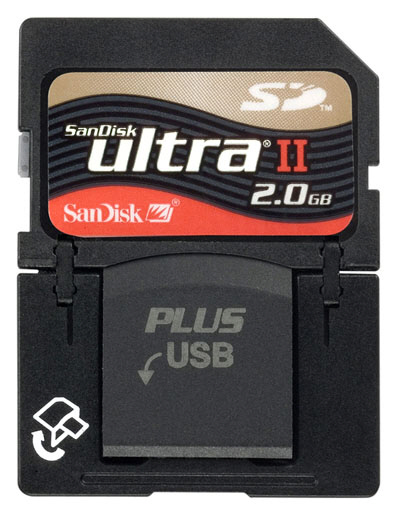 5-6
|
|
|
7.
|
This is considered removable media.
|
Multiple Choice
Identify the
choice that best completes the statement or answers the question.
|
|
|
8.
|
This file system is more secure
a. | FAT16 | c. | NTFS | b. | FAT32 | d. | EXFAT |
|
|
|
9.
|
This file system is the most compatible with different operating systems.
a. | FAT16 | c. | NTFS | b. | FAT32 | d. | EXFAT |
|
|
|
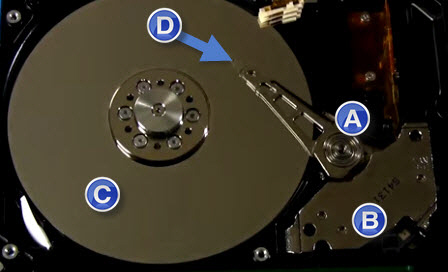 Image 3-1
|
|
|
10.
|
In Image 3-1 which is letter A
a. | Actuator | c. | Platter | b. | Actuator Arm | d. | Read/Write Head |
|
|
|
11.
|
In Image 3-1 which is letter B
a. | Actuator | c. | Platter | b. | Actuator Arm | d. | Read/Write Head |
|
|
|
12.
|
In Image 3-1 which is letter C
a. | Actuator | c. | Platter | b. | Actuator Arm | d. | Read/Write Head |
|
|
|
13.
|
In Image 3-1 which is letter D
a. | Actuator | c. | Platter | b. | Actuator Arm | d. | Read/Write Head |
|
|
|
|
|
|
14.
|
In image 3-2 what would the sequence be?
a. | 01010110 | c. | 101000 | b. | 010111 | d. | 101010 |
|
|
|
15.
|
This can be described as the intensity of the applied magnetic field required to
reduce the magnetization of a material
a. | Coercion | c. | Connectivity | b. | Coercivity | d. | Forenz Law |
|
|
|
16.
|
The magnetic layer of a hard drive platter is usually made mainly of
a. | Aluminum | c. | Nickel | b. | Cobalt | d. | Cadnium |
|
|
|
17.
|
What is the purpose of the top layer of the hard drive platter?
a. | Reduce friction | c. | Reduce wear | b. | Clean up messes | d. | Provide a
backup |
|
|
|
18.
|
How fast does a hard disk platter move underneath the heads (about)?
a. | 800 MPH | c. | 5200 MPH | b. | 80 MPH | d. | 7200 MPH |
|
|
|
19.
|
This causes the actuator arm to move
a. | Lorenz force | c. | Bellows force | b. | Voice coil actuator motor | d. | Vibrations from the
coil |
|
|
|
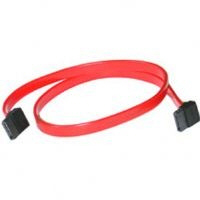 Img3
|
|
|
20.
|
Img3 Refers to a/an:
a. | Serial connector | c. | EIDE connector | b. | IDE connector | d. | SATA connector |
|
|
|
21.
|
When the drive is partitioned, ____ assigns a drive letter to each logical
drive.
a. | MEM | b. | FDISK | c. | FORMAT | d. | SYS |
|
|
|
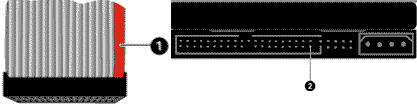 Img2
|
|
|
22.
|
In Img2 the number 2 refers to:
a. | Pin one on the SATA cable | c. | Pin one on the IDE
cable | b. | Pin one on the hard drive | d. | The key for coordinating how the cable plugs in |
|
|
|
23.
|
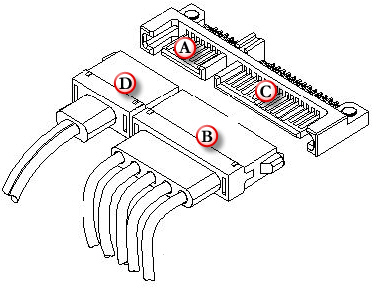 B is: a. | SATA connector | d. | Power cable | b. | IDE connector | e. | Power connector | c. | Data
cable |
|
|
|
24.
|
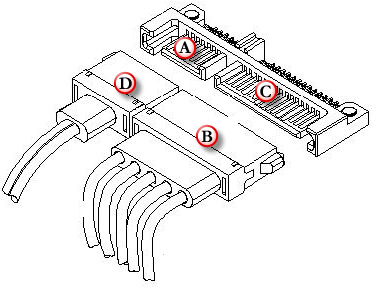 C is: a. | SATA connector | d. | Power cable | b. | IDE connector | e. | Power connector | c. | Data
cable |
|
|
|
Img 5-5 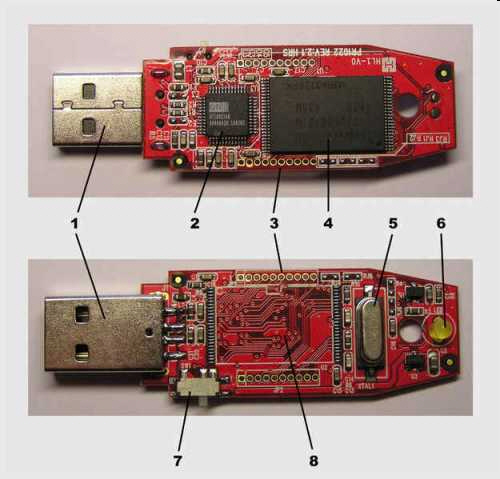
|
|
|
25.
|
In Img 5-5, which number indicates where another flash memory chip could be
placed on the pcb??
|
|
|
26.
|
Which part of this drive (img 5-5) is responsible for the timing?
|
|
|
27.
|
In Flash memory, when the control gate and the floating gate are connected or
“closed” the value in the cell is
|
|
|
28.
|
This monitors the level of charge as it passed through a “gate” on
Flash memory
a. | Cell censor | c. | Control Gate | b. | Floating Gate | d. | PDC |
|
|
|
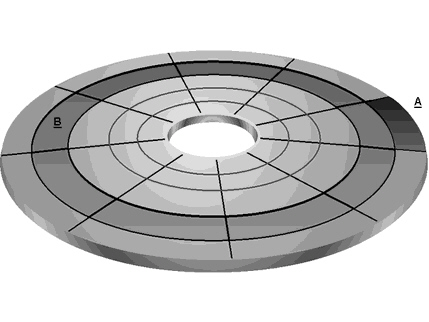 Figure
6–4 Figure
6–4
|
|
|
29.
|
In Figure 6-4, Item B is next to a darker concentric circle, representing a
____.
a. | segment | b. | FAT | c. | sector | d. | track |
|
|
|
30.
|
There is a lot of this kind of volatile storage on a computer.
a. | L1 Cache | c. | RAM | b. | L2 Cache | d. | Hard drive |
|
|
|
31.
|
This storage is often found right on the CPU and is the fastest in the computer.
There is generally about 32-64KB of it on a computer.
a. | L1 Cache | c. | RAM | b. | L2 Cache | d. | Hard drive |
|
|
|
32.
|
This storage is often found on a chip near the CPU, but on some it is also on
the CPU and is the fastest in the computer. There is generally about 32-64KB of it on a
computer.
a. | L1 Cache | c. | RAM | b. | L2 Cache | d. | Hard drive |
|
Multiple Response
Identify one
or more choices that best complete the statement or answer the question.
|
|
|
33.
|
CMOS is
|
|
|
34.
|
RAM is
|
|
|
35.
|
A hard drive is
|
|
|
36.
|
This type of storage is good for long term storage
|
|
|
37.
|
FAT32 is native to which operating systems?
|
|
|
38.
|
Why is the force used to move the actuator arm better than mechanical
force?
|
|
|
39.
|
Which are benefits of Flash over Hard drive storage
|
|
|
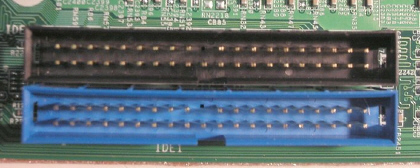 Img 4
|
|
|
40.
|
In Img 4 the connections shown is/are: (choose all that apply)
|
|
|
41.
|
Hard drives are considered what type of storage
|
|
|
42.
|
In which of the following devices might you find flash memory used as primary
file storage? Choose all that apply.
|
|
|
Img 5-7 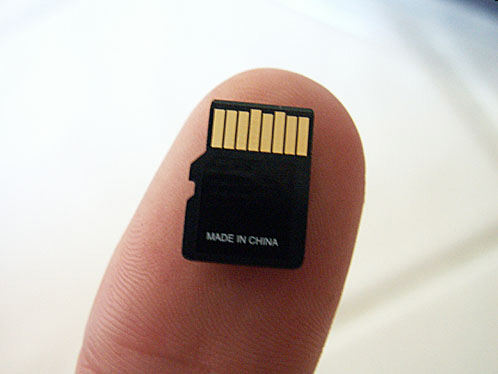
|
|
|
43.
|
The image shown is a(n):
|
|
|
44.
|
There is a little of this kind of volatile storage on a computer.
|
Numeric Response
|
|
|
45.
|
Voltage spikes that are negative represent a
|
|
|
46.
|
Voltage spikes that are positive represent a
|
|
|
47.
|
Areas where no voltage spikes are read represent a
|
|
|
48.
|
What is 2^10
|
Completion
Complete each
statement.
|
|
|
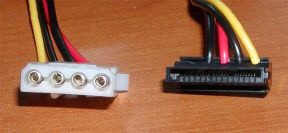 Image 5
|
|
|
49.
|
In Image 5 the power connector on the left is a __________ connector (use the
term).
|
|
|
50.
|
On a disk surface, one segment of a track, which almost always contains 512
bytes of data. Sometimes a single wedge of the disk surface is also called a ____.
|